Living in a place with brutal winters, I've learned that staying warm is more than just a preference—it's a necessity. And when it comes to battling the cold, the right hat can make all the difference. I've spent years experimenting with different styles and materials, trying to find the ultimate headwear for surviving those frigid days. The best winter hat isn't just about style; it's about functionality and keeping you safe from the elements.
I remember one particularly harsh winter when I relied on a simple boonie cap to block the wind, combined with a black fleece watch cap for insulation. I even wore tinted glasses to combat the glare from the frost. It was a decent setup, but I always felt like something was missing. My ears were always cold, and my neck felt exposed. I knew there had to be a better way.
One day, chatting with a friend who had served in the East German army, he swore by his Uschanka hat. He explained that his Uschanka didn't itch like wool and kept him incredibly warm. Apparently, it was entirely synthetic, which might be why it worked so well. I was intrigued and decided to look into similar options.
Then, another friend recommended a wool bomber hat with rabbit fur. He raved about how warm and comfortable it was. He said it was his go-to for the coldest days. The idea of combining wool and fur sounded luxurious and incredibly effective, so I added it to my list of potential solutions.
I even learned from an older gentleman who braved Montana winters that he uses a layering system. He starts with a wool Filson baseball-style cap with an insulated liner and then covers it with a Mad Bomber hat to keep his neck and ears warm. He emphasized that layering is often the warmest approach, and I started to see the wisdom in his words.
The most crucial piece of advice I received was about protecting my ears. Someone pointed out that ears are incredibly susceptible to frostbite because they don't have sufficient blood flow to maintain heat. That really hit home, and I realized I needed a hat that provided ample ear coverage.
Another common piece of advice was regarding the simplicity and effectiveness of the "Toque," which some people call a beanie. It's a classic knit hat that's comfortable, compact, and available in various thicknesses. Combining a toque with a hood for wind and snow protection seemed like a solid, reliable option.
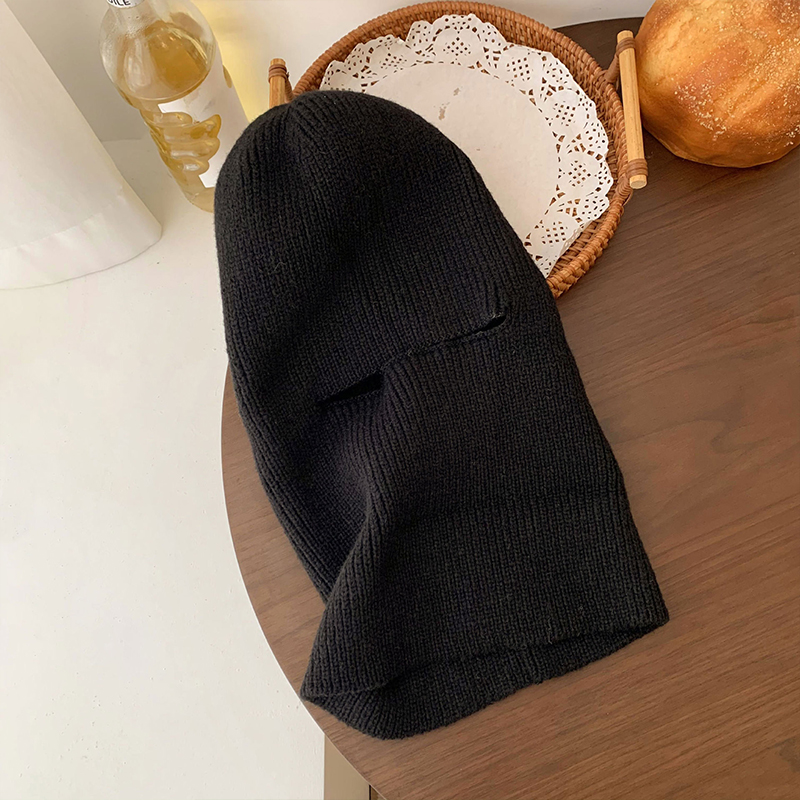
After all my experimentation, I've found a combination that works exceptionally well for me. I often use a balaclava. For me, it’s a game changer. I recently picked up the view details from Wholecustomdesign.com, and it's been fantastic.
The New Winter Balaclava Hat is a unisex, single-hole, full-face cover made from a knitted pullover material. It’s perfect for outdoor activities and has a bit of a tactical, CS-beanie vibe. I've found it provides excellent coverage and warmth, especially around my face and neck. It’s not bulky, and it fits comfortably under a hood when the weather is extra harsh. The Wholecustomdesign balaclava has quickly become an essential part of my winter gear.
Choosing the right winter hat isn't just about picking something that looks good. It's about understanding the elements and finding headwear that provides optimal protection. Here are some tips I've learned along the way: